
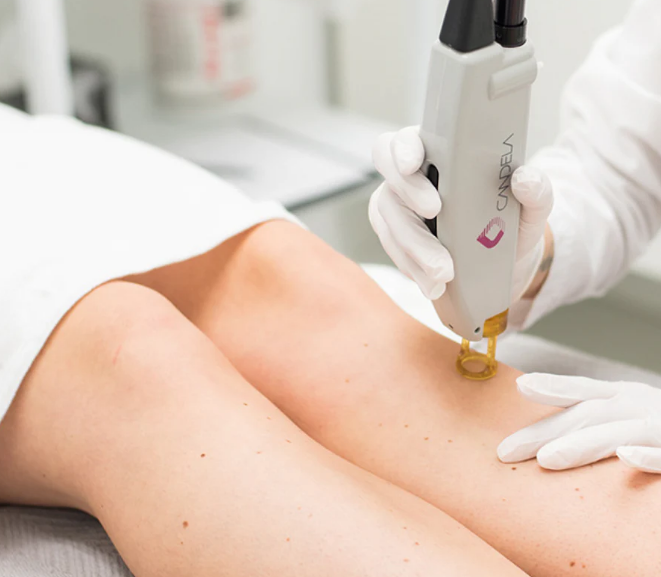
Laser hair removal
Laser hair removal is a medical procedure that uses a focused beam of light (laser) to remove unwanted excess hair. There are various laser devices available in clinics suitable for all hair types.
During laser hair removal, the laser emits light that is absorbed by the pigment (melanin) present in the hair. The light energy is converted into heat, which damages the hair follicles inside the skin (hair roots), preventing hair growth or delaying it.
Although laser hair removal effectively delays hair growth for long periods, it usually does not lead to permanent hair removal. Additional maintenance sessions may be required.
Hair color and skin type can affect the success of laser hair removal. The basic principle is that hair pigment absorbs the light, not the skin pigment. Laser radiation is supposed to damage only the hair follicles while avoiding damage to the skin. Advances in laser technology have made laser hair removal a safe option for all skin types. However, laser hair removal is less effective for hair colors that do not absorb light well, such as gray, red, blond, and white hair. Nevertheless, there is ongoing development of laser treatment options for lighter hair colors.
Risks:
The risks of side effects vary depending on the skin type, hair color, treatment plan, and adherence to pre-procedure and post-procedure care steps. The most common side effects of laser hair removal include:
1. Skin irritation: You may experience temporary discomfort, redness, or swelling after laser hair removal. These signs and symptoms usually disappear within a few hours.
2. Pigment changes: Laser hair removal can cause darkening or lightening of the treated skin area.
How to prepare:
1. Schedule a consultation with a doctor before laser hair removal.
2. Review your medical history, including medication use and any history of skin disorders or scarring, as well as previous hair removal procedures.
3. Discuss the risks, benefits, and expectations with the doctor, including what laser hair removal can and cannot achieve for your skin. The doctor will determine the appropriate device and temperature.
4. The doctor will provide specific instructions for preparing for laser hair removal, which may include:
- Avoiding sun exposure: Follow your doctor's advice to avoid sun exposure before and after treatment. Use broad-spectrum sunscreen with a sun protection factor (SPF) of 30 wherever you go. Avoid any skin creams that do not provide sun protection, as they may darken your skin.
- Avoiding other hair removal methods: Shaving the hair in the treatment area the day before the session removes the hair above the skin, which can prevent surface skin damage from burnt hair but leaves the hair shaft intact beneath the surface.
What to expect:
Laser hair removal typically requires six to eight sessions, but the number of sessions may vary depending on individual response.
You will wear special protective goggles to shield your eyes from the laser beam during each session. The doctor may apply a local anesthetic to your skin to minimize any discomfort.
After the procedure:
You may experience redness and swelling in the first few hours following laser hair removal. Applying ice to the treated area can help reduce discomfort. If you have an immediate skin reaction after laser hair removal, the doctor may apply a steroid cream to the affected area.
Results:
Hair does not fall out immediately but typically sheds over a period of days to weeks. It may appear as continuous hair growth. Maintenance treatments are usually necessary because hair growth and shedding occur naturally.