
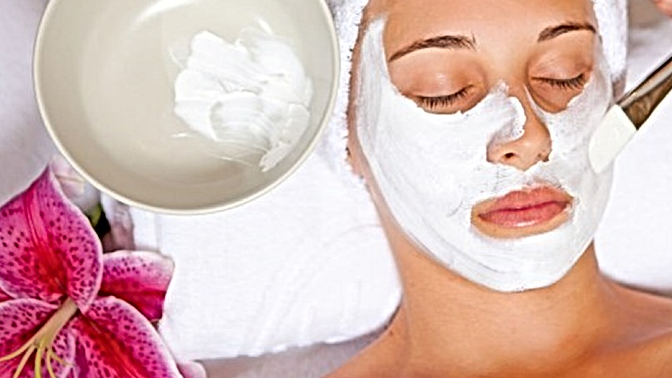
Skin exfoliants
As we age or due to illness or environmental factors, our skin cells are affected, which can result in dullness, uneven skin tone, and the appearance of surface wrinkles. Many skincare products contain exfoliating agents that remove the affected cells and reveal new cells, enhancing the skin's radiance. In this article, I have tried to summarize the most important information about these agents, which are used as mild exfoliants, with most of them being used at home.
The word "exfoliation" means the removal or reduction of the outer layer of the skin (epidermis) and sometimes part of the middle layer (dermis) to address certain skin problems or imperfections caused by specific conditions such as acne, which can leave scars or discoloration. Other conditions include melasma or hyperpigmentation, as well as the effects of aging, such as wrinkles and loss of skin elasticity and vitality.
Some types of alpha hydroxy acids (AHAs) include:
- Glycolic acid
- Lactic acid
- Glycolic acid + ammonium glycolate
- Alpha-hydroxyethanoic acid + ammonium alpha-hydroxyethanoate
- Alpha-hydroxyoctanoic acid
- Alpha-hydroxycaprylic acid
- Hydroxycaprylic acid
- Mixed fruit acid
- Triple fruit acid
- Tri-alpha hydroxy fruit acids
- Sugar cane extract
- Alpha hydroxy and botanical complex
- L-alpha hydroxy acid
- Glycomer in crosslinked fatty acids alpha nutrium
The most commonly used and proven effective among these types is glycolic acid. It is available in various forms such as creams and lotions and is sometimes mixed with other ingredients such as antioxidants and depigmenting agents. The concentration of these acids varies, and the appropriate concentration for a specific skin type should be determined by a specialist. High concentrations of these acids should be used or prescribed by a professional.
These acids do not have any harmful effects and can be used even during pregnancy. In recent years, polyhydroxy acids (PHAs) have emerged as an auxiliary or additional component in fruit acid formulations to reduce skin irritation. However, their positive effects on the skin are still a subject of debate. Gluconolactone is the most well-known type of these acids and is used in some skincare products. Gluconolactone is similar to alpha hydroxy acids but consists of larger molecules that limit its penetration into the skin cells, making it less irritating to the skin.
Tretinoin is a derivative of vitamin A. If you are experiencing acne breakouts on your face, you have likely used tretinoin, which is found in products that have good efficacy in treating acne (especially mild types) and reducing the effects of skin damage caused by excessive sun exposure or other factors. The way tretinoin affects the skin differs from fruit acids, as it increases the speed of cell division and proliferation in the skin, thereby reducing skin thickness. Therefore, tretinoin is best used in cases of skin blemishes. For long-term skincare, fruit acids, especially glycolic acid, are preferred over tretinoin. Tretinoin is more sensitive to sunlight and more likely to cause severe skin irritation, and its use is not recommended during pregnancy. I do not recommend using tretinoin without consulting a specialist. However, it is possible to use glycolic acid at concentrations not exceeding 10% for the face and 15% for the body. There is a similar compound called retinol, which has less impact and irritation on the skin and is widely used in skincare products.
The overall effects of exfoliants on the skin may not be apparent until several weeks to a few months of regular and proper use, so it is recommended to use them for a long period to maintain healthy skin.
It is crucial to use suitable sunscreen and apply it consistently when exposed to sunlight.